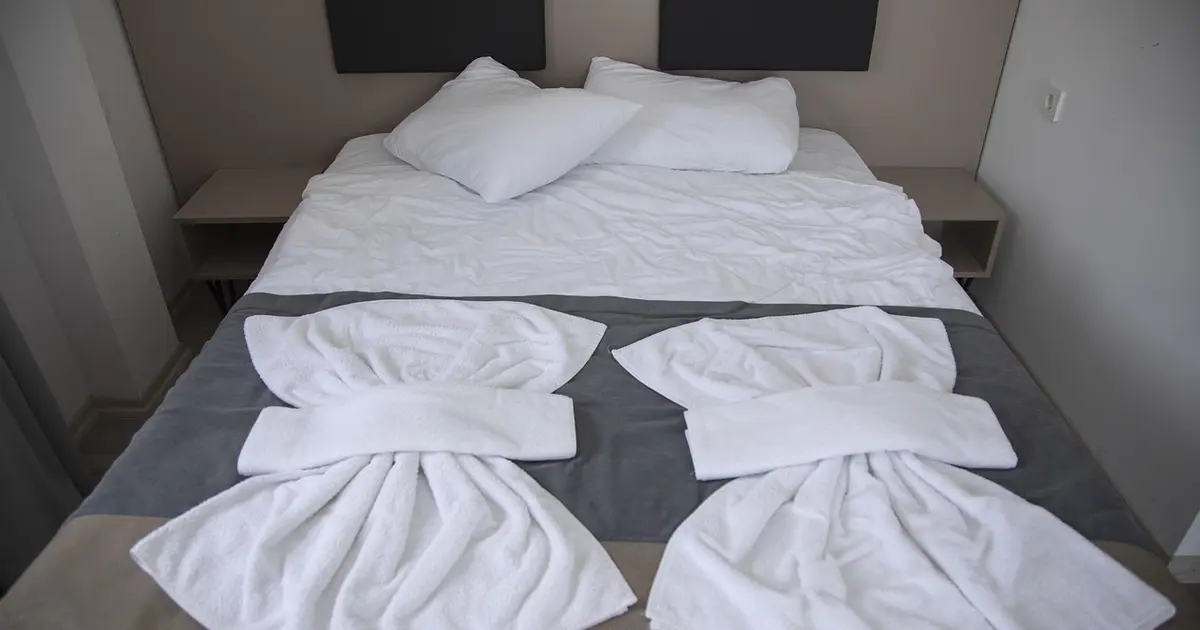
Short-Let Damage Reports: What a Photo Inspection Should Cover After Every Guest
Written by Iva, founder of Iva Cleaning Services London. Damage in a short let is rarely dramatic. It is a…

Yes, a landlord can deduct the cost of cleaning from a tenancy deposit in England, but only to bring the property back to the standard of cleanliness recorded at the start of the tenancy, only for a reasonable amount, and only with evidence. Those three conditions decide almost every cleaning dispute, and the deposit schemes have said as much for years. Cleaning is the most common reason for a deposit dispute; in the Tenancy Deposit Scheme’s 2020-21 figures it featured in roughly half of the cases that went to adjudication, ahead of damage, redecoration and rent arrears.
This guide sets out what the schemes say, what counts as evidence, what a landlord cannot claim, and what both sides can do to avoid the argument. It is written for tenants, landlords and letting agents, and it is not legal advice; the schemes’ own guidance and the adjudicator’s decision are what count. We see the practical side of it every week through our cleaning for estate agents in London, which is built around check-in and check-out standards.
The three government-approved schemes in England, the Tenancy Deposit Scheme (TDS), the Deposit Protection Service (DPS) and mydeposits, all apply the same principle. The tenant must return the property in the same state of cleanliness as it was at the start of the tenancy, as recorded in the check-in inventory. Not cleaner. Not “professionally cleaned” as a matter of course. The same.
So if the check-in report says the property was professionally cleaned, that is the bar. If it says “clean to a good domestic standard”, that is the bar. If the check-in report is missing, vague or unsigned, the landlord has very little to compare against and most cleaning claims fail.
Fair wear and tear, the allowance for the gradual deterioration that comes with normal living, does not apply to cleaning. A carpet can wear. A worktop does not become dirty through wear. Any shortfall in cleanliness is treated as the tenant’s responsibility, which is why a small cleaning deduction is so often upheld while a claim for a worn carpet is not.
Since the Tenant Fees Act 2019 came into force in England, a landlord or agent cannot require a tenant to pay for a professional clean, or to use a particular cleaning company, as a term of the tenancy. Clauses like “the tenant must have the property professionally cleaned at the end of the tenancy” are unenforceable. The tenant can clean it themselves, as long as the result matches the check-in standard.
A landlord also cannot claim for cleaning that was already needed at check-in, cannot claim “new for old” (replacing a stained but serviceable carpet with a new one at the tenant’s expense), and cannot claim an inflated figure. Adjudicators look at whether the amount is reasonable for the work actually needed, and they expect an invoice or a quotation that itemises it.
The deposit itself is capped at five weeks’ rent where the annual rent is under £50,000, so the deduction can never exceed what is held.
A deposit dispute is decided on paper. The adjudicator never visits the property. Both sides submit evidence and the decision follows the evidence, which means the side with the better paperwork usually wins. The documents that matter, in order:
A claim that rests on “the flat was filthy” with no check-in report or photographs will usually be rejected. A claim with a check-in that says “oven professionally cleaned, like new” and a check-out photograph of a carbonised oven glass will usually succeed for the cost of an oven clean.
Adjudicators split claims into parts. A landlord claiming £300 for a full professional clean of a flat that only needed the oven and the bathroom done is likely to be awarded the cost of the oven and the bathroom, not the £300. Where the tenant has clearly tried but missed things, a partial award is common. Where the check-in standard was itself poor, the award is nil.
The most frequent individual items in cleaning awards, from the reports agents send us: the oven, the extractor filter, limescale on bathroom chrome, inside kitchen cupboards, the washing machine seal, and carpets where the check-in said “professionally cleaned”. None of them is expensive on its own; together they are the typical £100 to £250 deduction that annoys everyone.
Read the check-in report before you clean, and clean to it. Work through every room, including the ones that look fine, because the clerk opens cupboards and runs a finger along door tops. Do the oven properly or have it done; it is the most common single deduction and it is the one you cannot fix with a spray. Photograph every room when you finish, with the date visible, and send the set to the agent with the keys. If you would rather not spend the weekend doing it, an end of tenancy clean from £199 plus VAT comes with one oven cleaned free and is built to the clerk’s list; the difference from an ordinary deep clean is explained in end of tenancy clean vs deep clean.
Have a proper check-in inventory with photographs, and have the property cleaned to a stated standard before the tenancy starts so there is a standard to point to. Use an independent clerk at check-out. Raise the proposed deduction with the tenant promptly, with the photographs and the invoice, and be reasonable about the amount; a part-claim that is clearly justified is more likely to be agreed without a dispute than a full-clean invoice for a property that only needed an hour. Keep the cleaning company’s invoice itemised by room.
The time cost is the real one. A disputed cleaning deduction can hold up the deposit, and the re-let, for weeks. Agents who book the clean before the check-out, to a standard they can evidence, see fewer disputes and faster turnarounds, which is why most of our agent work is pre-check-out rather than post.
Both parties agree to use the scheme’s free dispute service, submit evidence through the scheme’s portal, and the adjudicator decides, usually within a few weeks. The decision is binding on both. The tenant does not have to accept a deduction to get the undisputed part of the deposit back; the agreed amount is released and only the disputed portion is held.
Preparing a property for check-in or check-out? Get a free quote for a single property or a portfolio, and we come back within one working hour.